
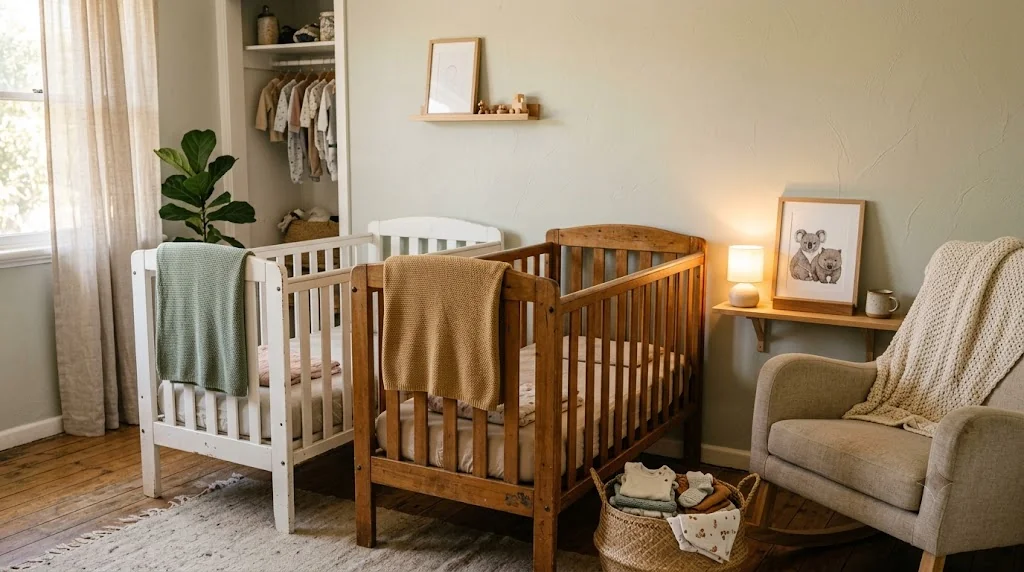
Twins
The real cost of twins in Australia: the 5x problem
Twins cost about five times a single baby in the first year. Where that money goes, and the one lever that genuinely brings it down.
·7 min read
Read articleStories, guides and honest tips for mums buying and selling the good kids' stuff.
Gold Coast playground finder
Every playground checked and kept current: features, amenities and what each one is really like on the day.
Twins cost about five times a single baby in the first year. Where that money goes, and the one lever that genuinely brings it down.
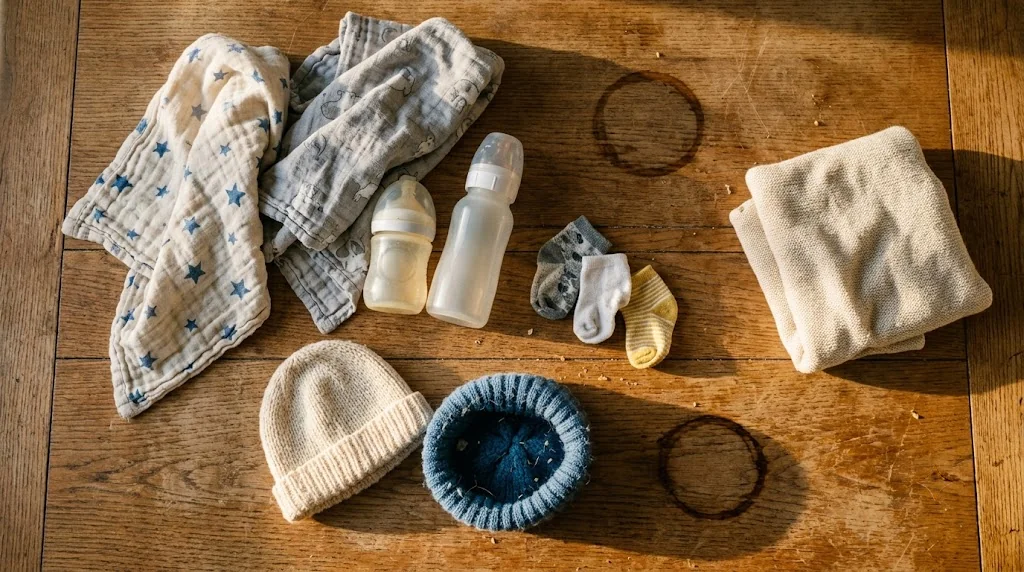
You need two of some things and one of others. A calm list of what genuinely doubles, and what the marketing wants you to double.
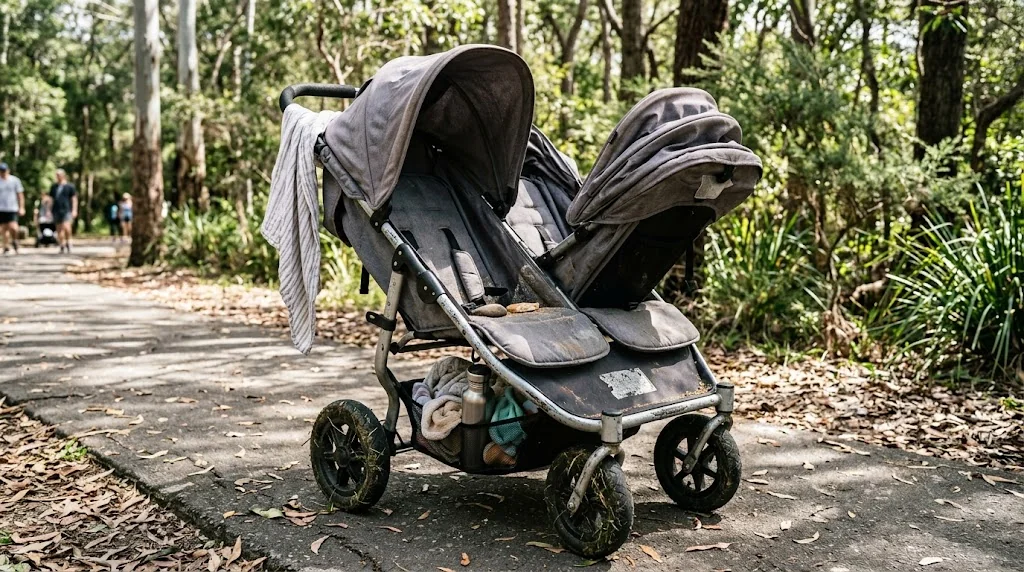
Tandem or side-by-side, what fits your car and your front door, and why last season's model bought pre-loved captures most of the value.
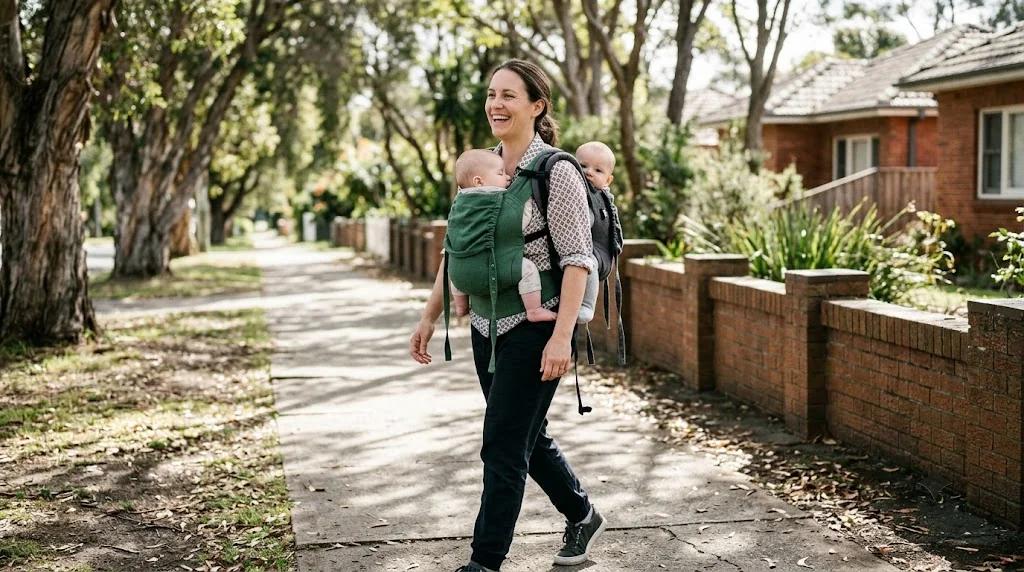
Two single carriers, a dedicated twin carrier, or a wrap. How to carry two safely, and what to check when you buy pre-loved.
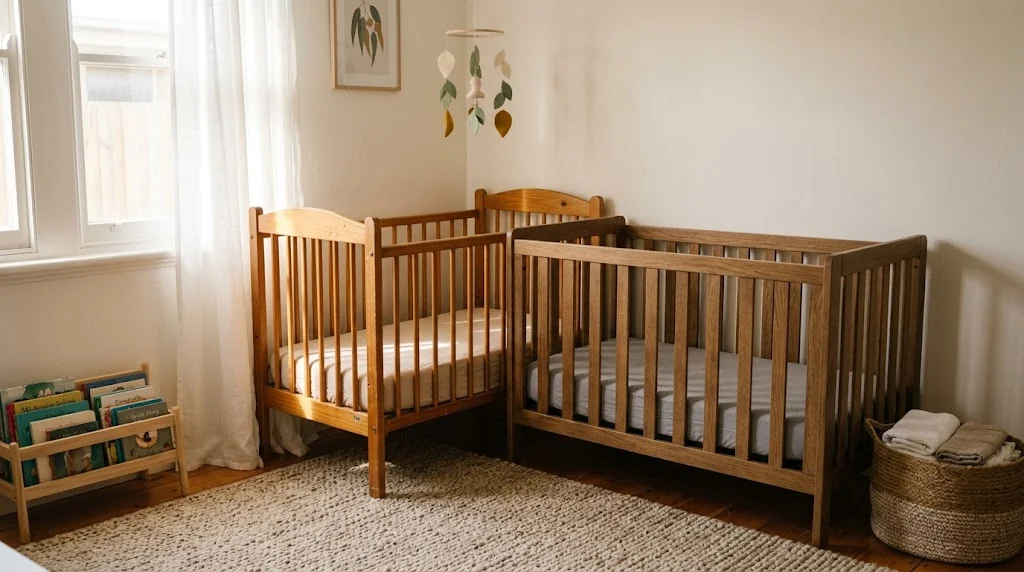
When twins share a sleep space and when they need their own, safe-sleep basics for two, and the standard every cot must meet.
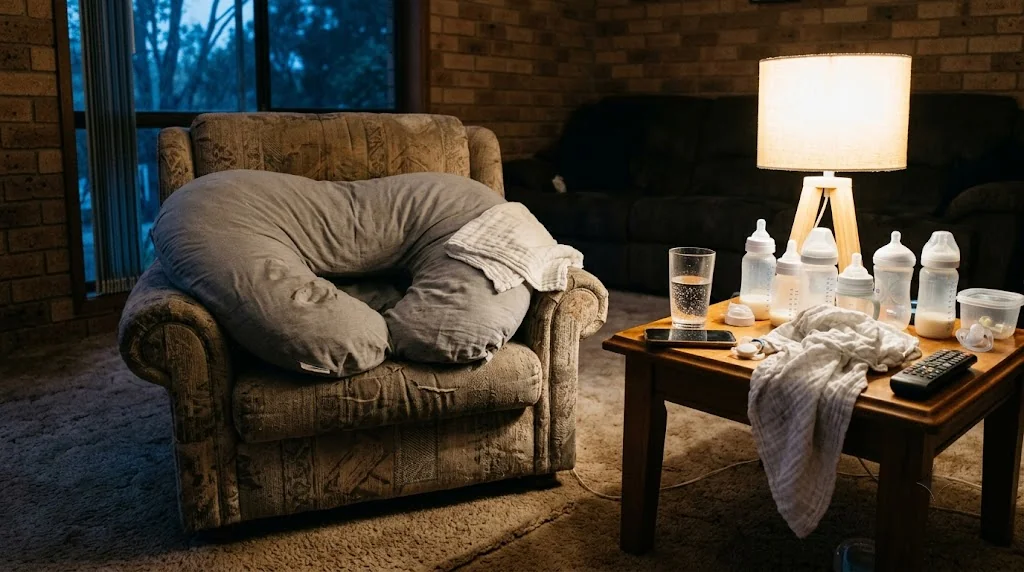
Tandem or one at a time, whether you can make enough milk for two, and the small kit that makes feeding two manageable.
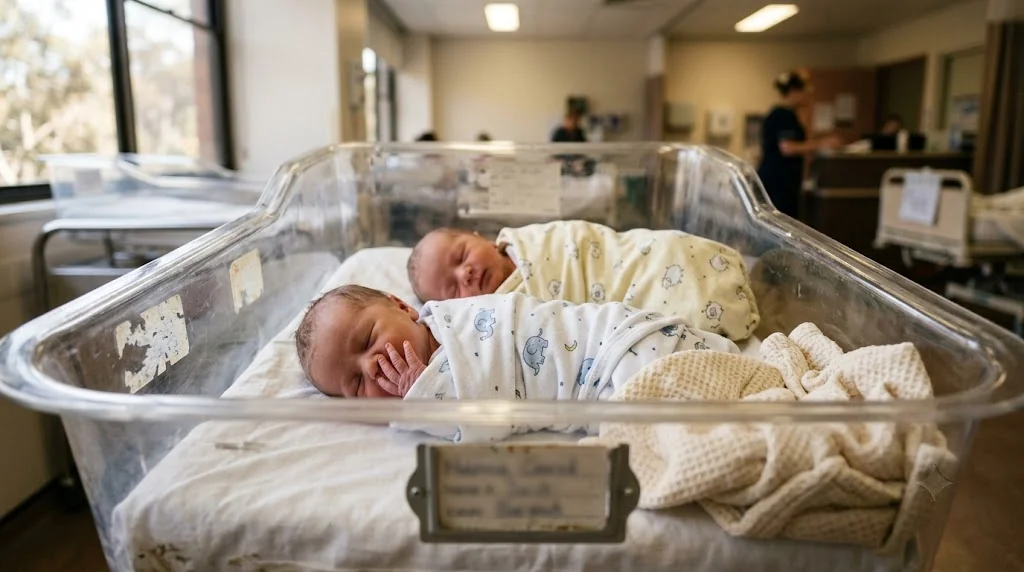
How often twins happen in Australia, why the rate has held steady, and what is behind it.
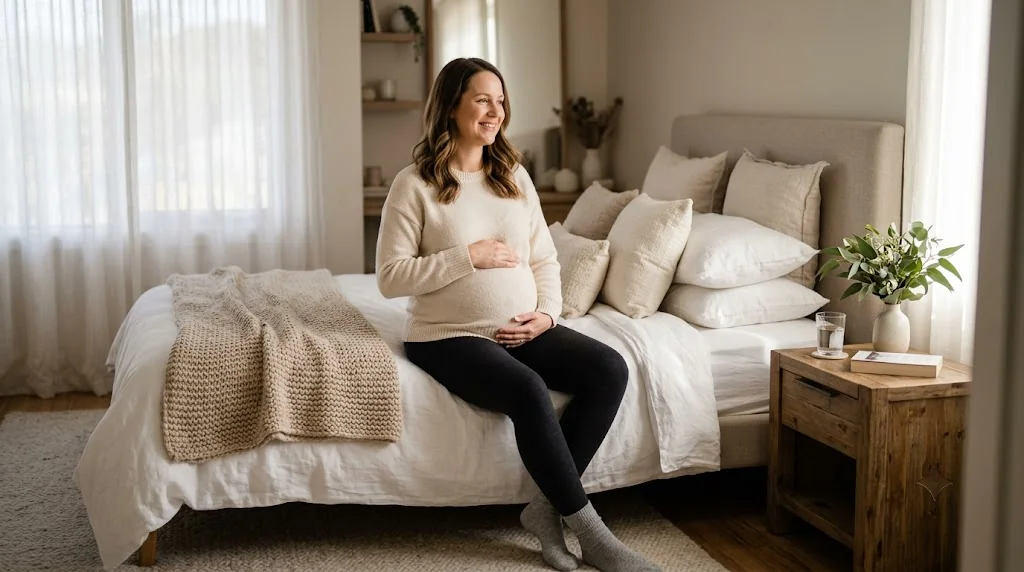
More scans, closer monitoring, and a shorter run to full term. What changes when you are expecting two.
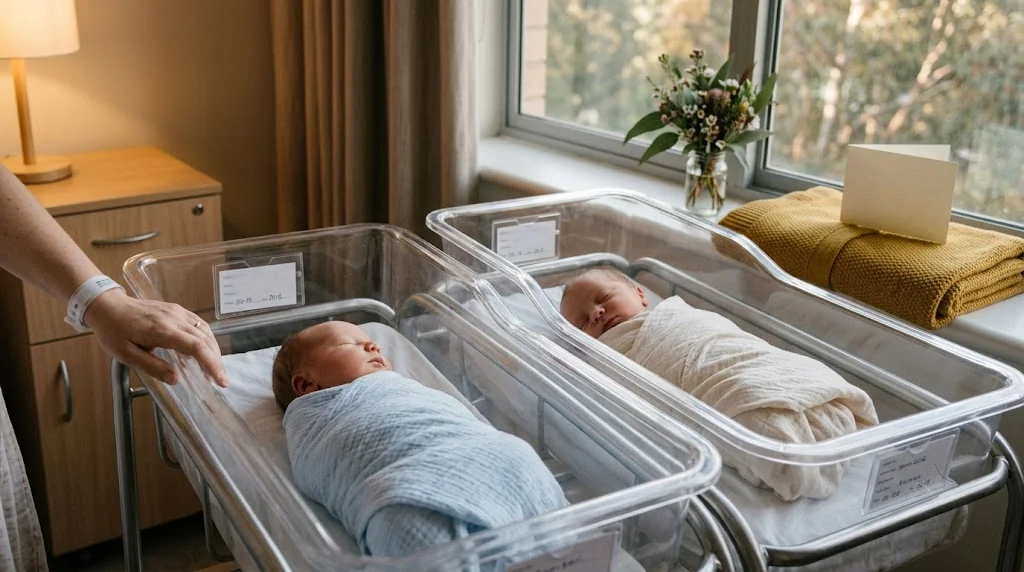
Vaginal or caesarean, why so many twins arrive early, and what a special care nursery stay actually involves.
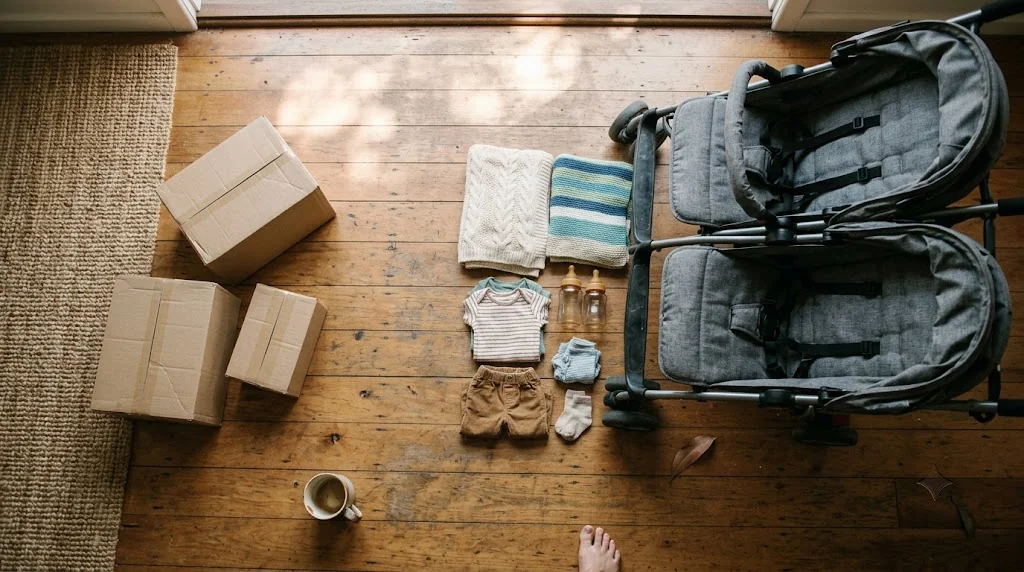
The buy-new list for twins is short. Here it is, plus everything you can safely buy pre-loved when you need two of it.
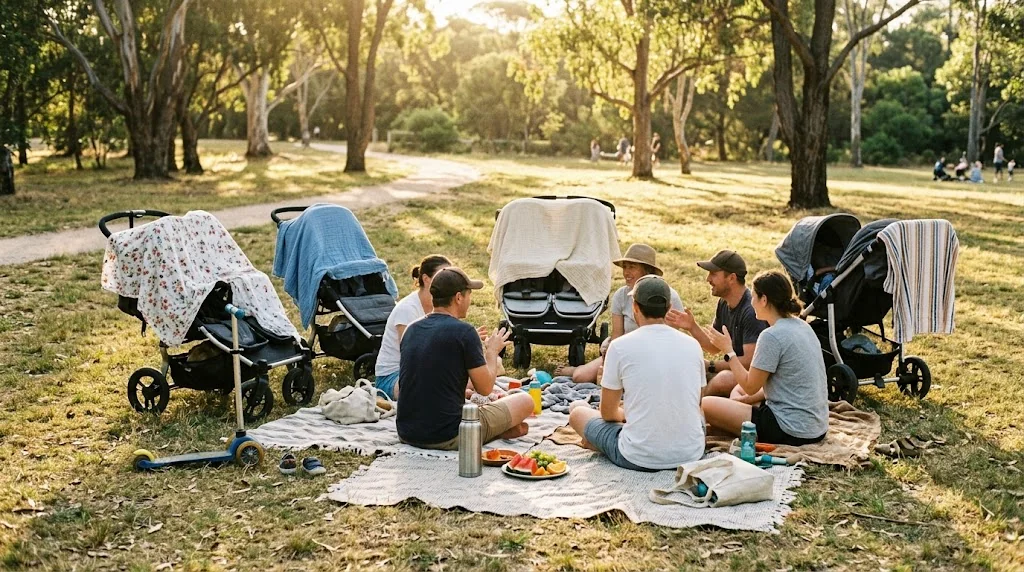
AMBA and its local clubs run info nights, equipment hire and buy-swap-sell. How to find your nearest, and when it meets.
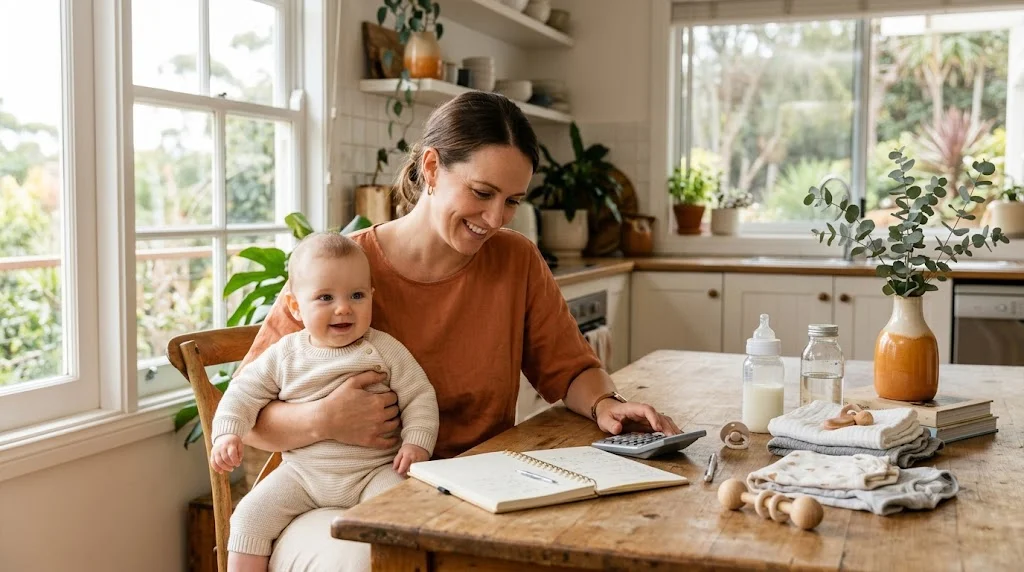
The honest numbers, where the money actually goes, and the one big category you can bring down without your kids missing out.
What genuinely adds up in year one, and the tempting buys that a baby outgrows before you have found the receipt.
Every new baby costs less than the one before. Reusing between siblings, and topping up from other families, is how you keep that saving.
The earliest sizes barely get worn before they are outgrown. That makes them the strongest case there is for buying second-hand.
The quiet expenses that catch new parents off guard, and an honest note on which you can soften and which you cannot.
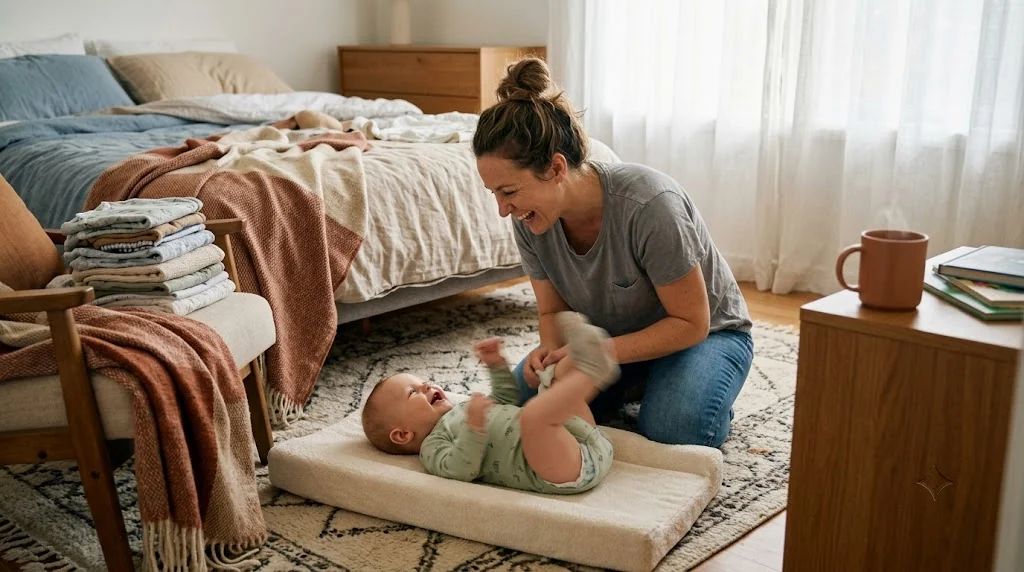
The moves budget-conscious parents already make, gathered in one place, with none of the corners that actually matter cut.
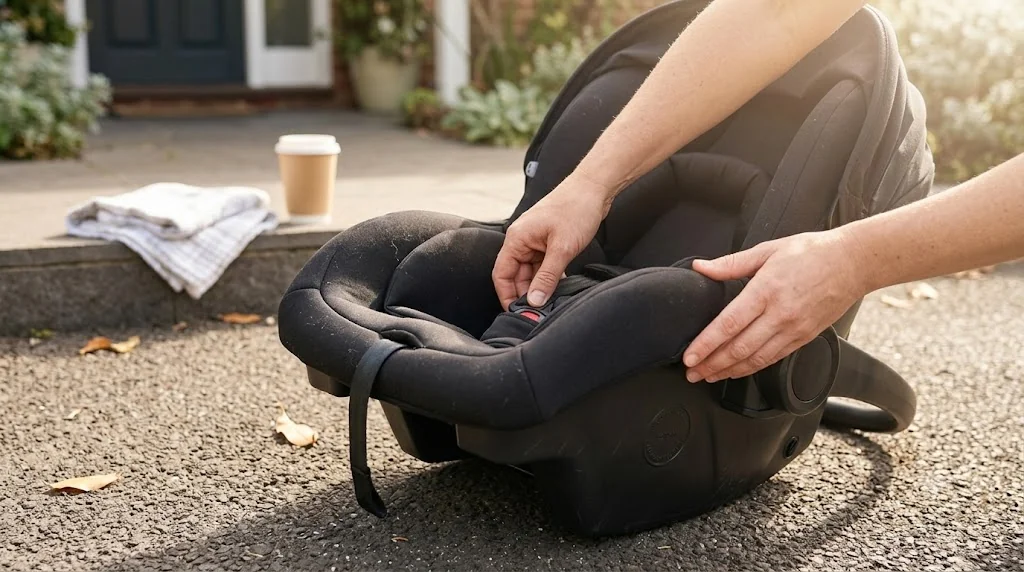
A used car seat can be a smart buy or a serious risk. Here are the exact checks the ACCC and Kidsafe say to make first.
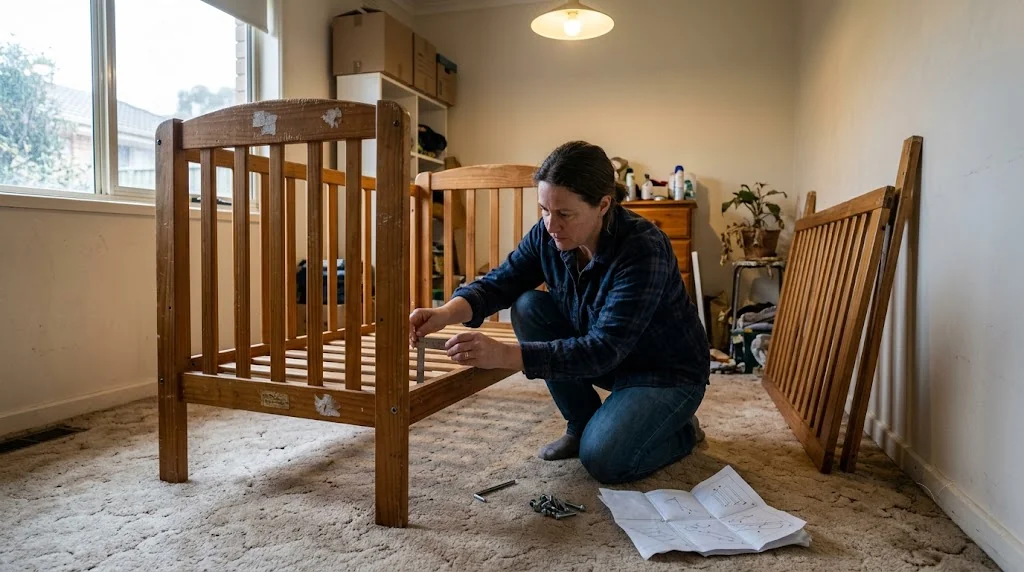
A second-hand cot can be a great buy, if it meets the standard and passes a few specific checks. Here they are.
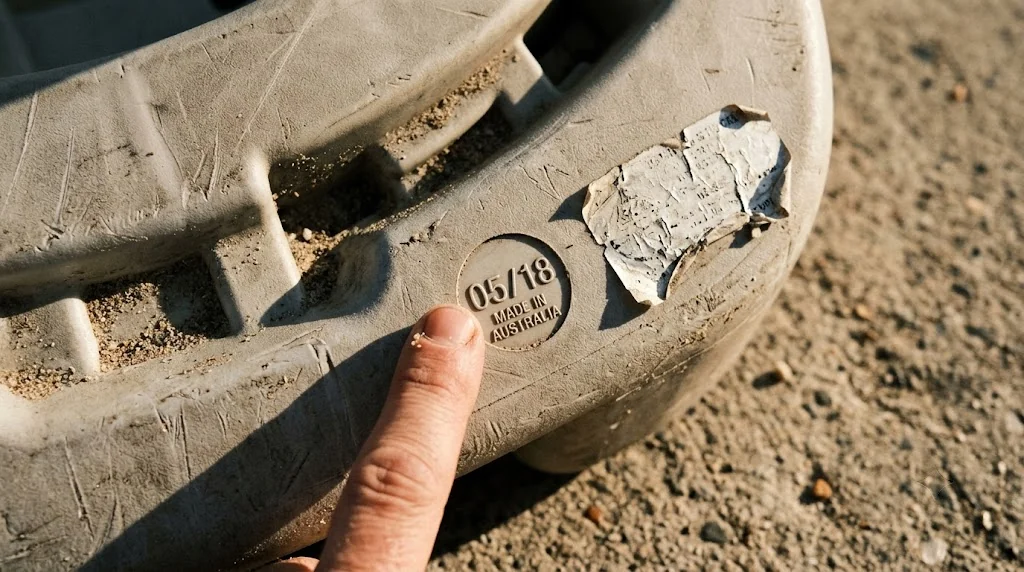
Car seats do not last forever, even the ones that look fine. Here is why, and how to read the date.
The list of things to buy new is short. Here it is, plus how to buy everything else with confidence.
It takes about a minute, it is free, and it rules out the one thing you really do not want to buy second-hand.
Recalls sound alarming, but they are a system working as intended. Here is how to use it to your advantage.
Prams are one of the best second-hand buys going. A few checks make sure you get a safe one.
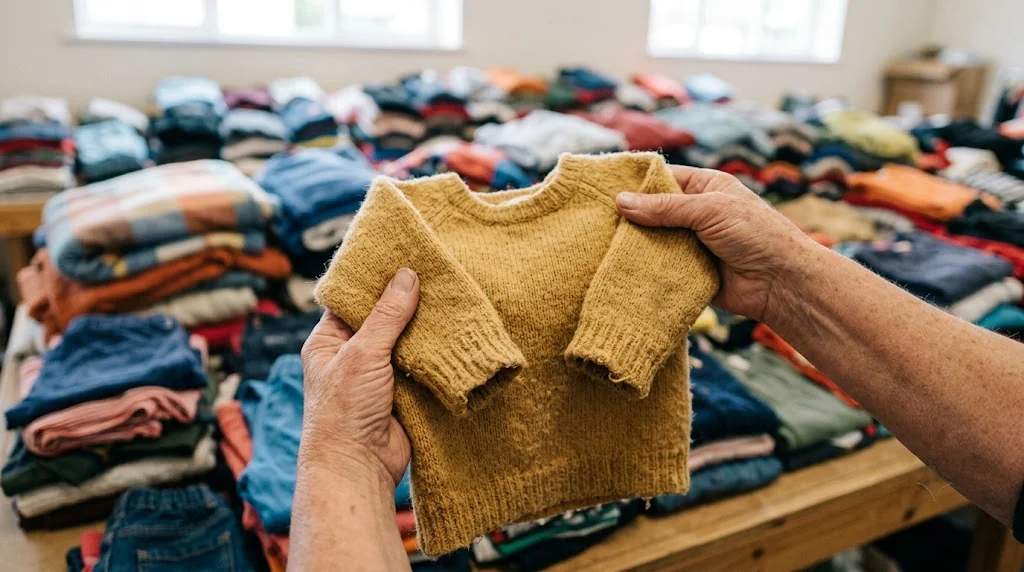
Australia sends more than 200,000 tonnes of clothing to landfill every year. Kids clothes, outgrown so fast, are a big part of the story.
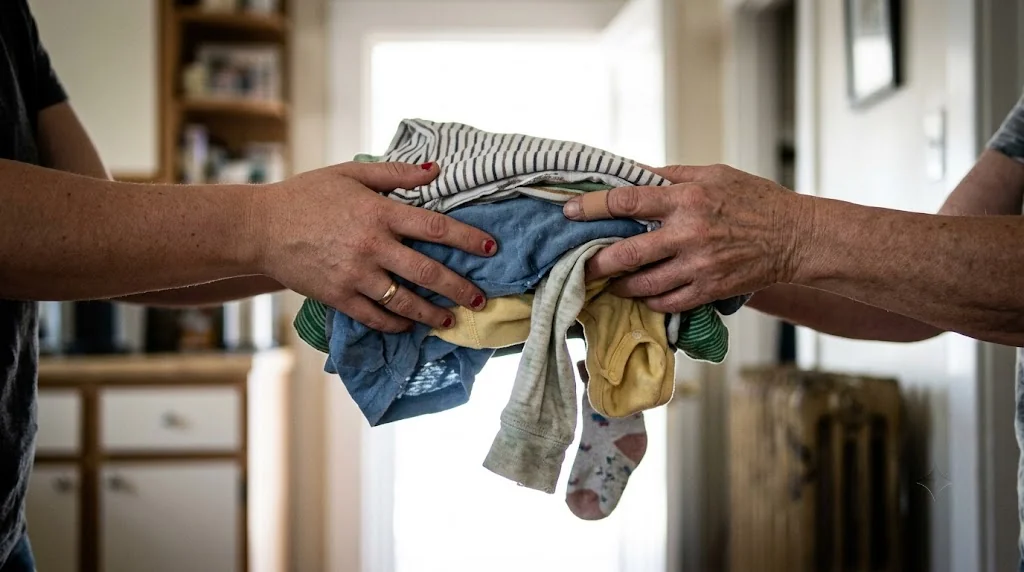
The national numbers are starting to move in the right direction, and second-hand shopping is why.
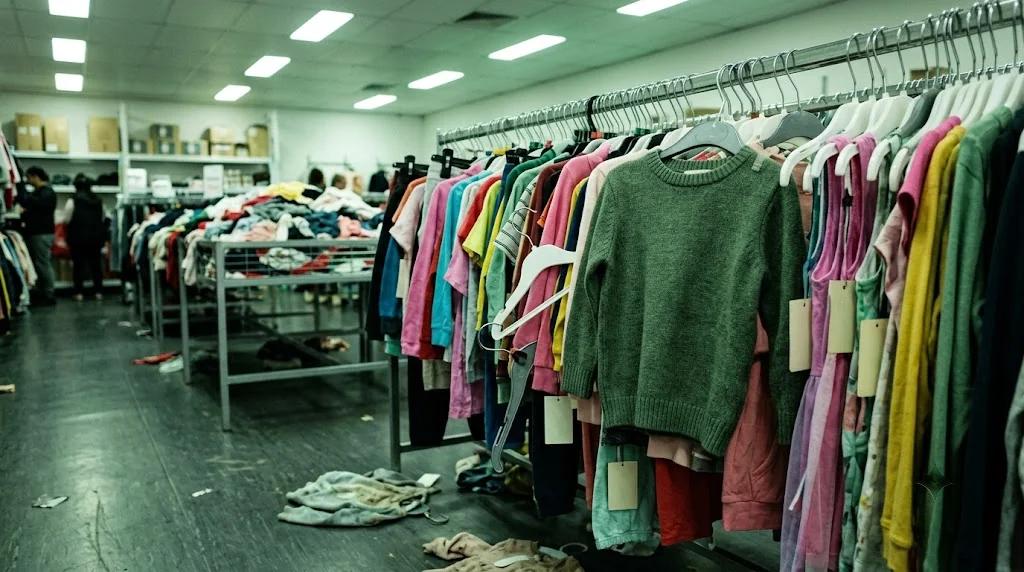
Cheap, cute and everywhere. The trouble with fast fashion for children is how quickly it is made and thrown away.
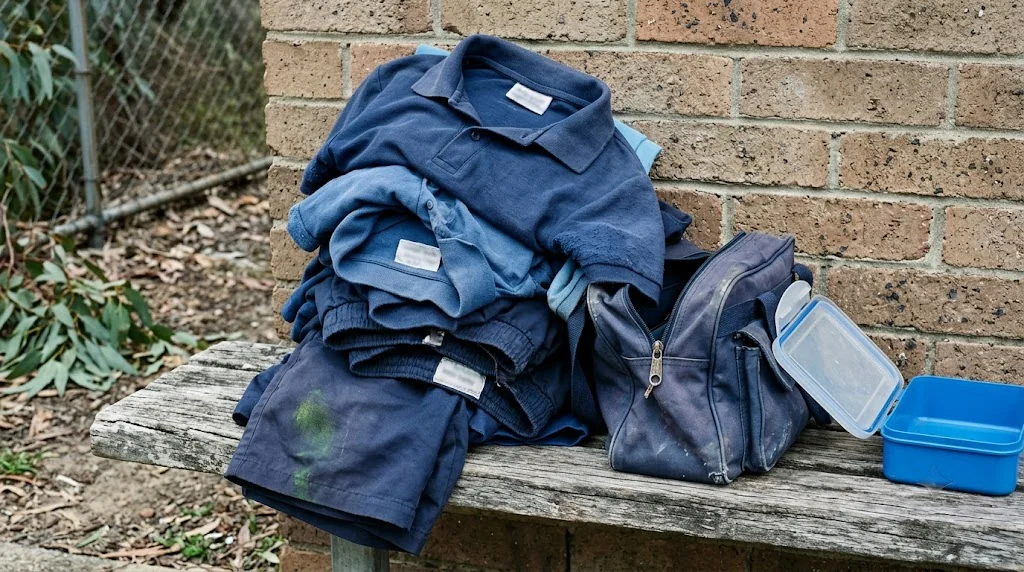
Uniforms are worn hard, outgrown on schedule, and thrown out in bulk. Most of them did not need to be.
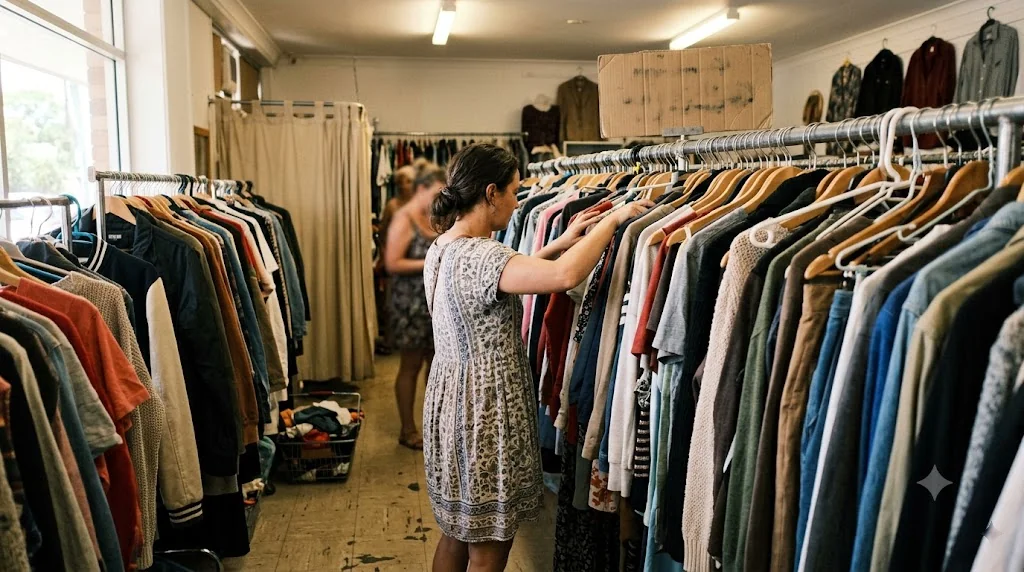
Second-hand has shed its stigma and gone mainstream. Here is what is driving it, and why parents are leading the way.
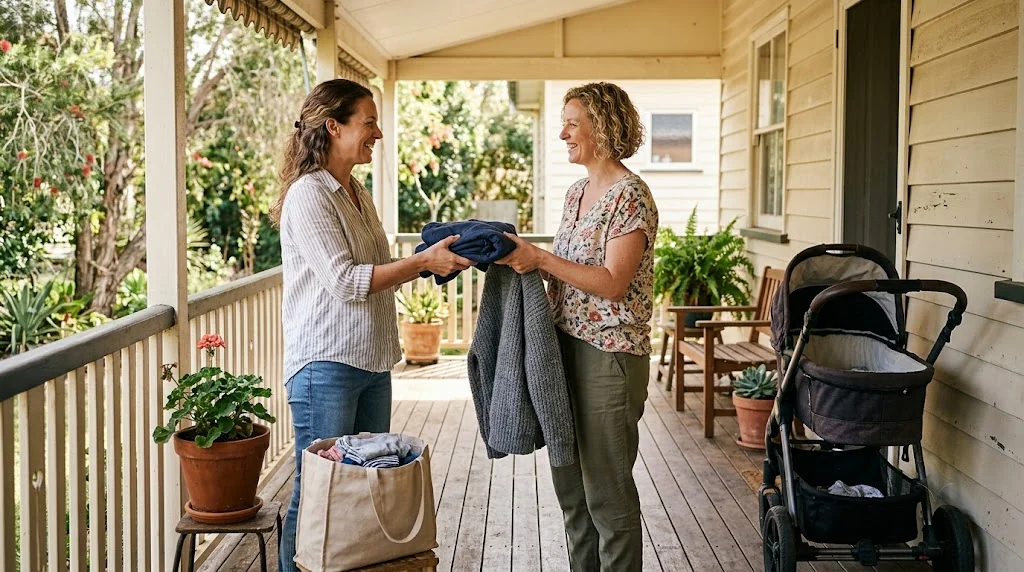
Baby things are used for a handful of months. Treat them as something that passes through your house, and the maths changes.
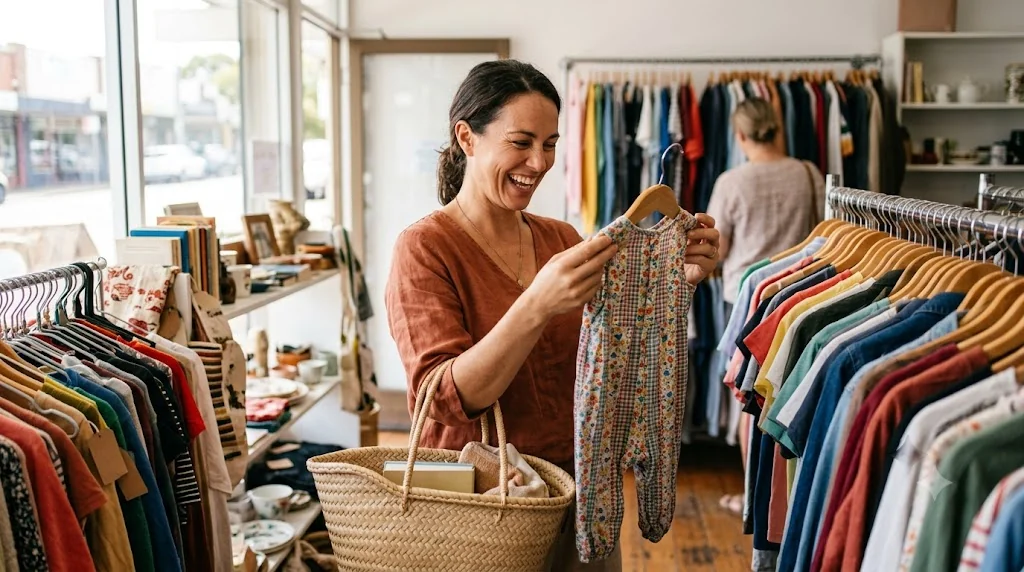
The environment matters, but it is not what tips the scales. For most families, the honest answer is simpler.
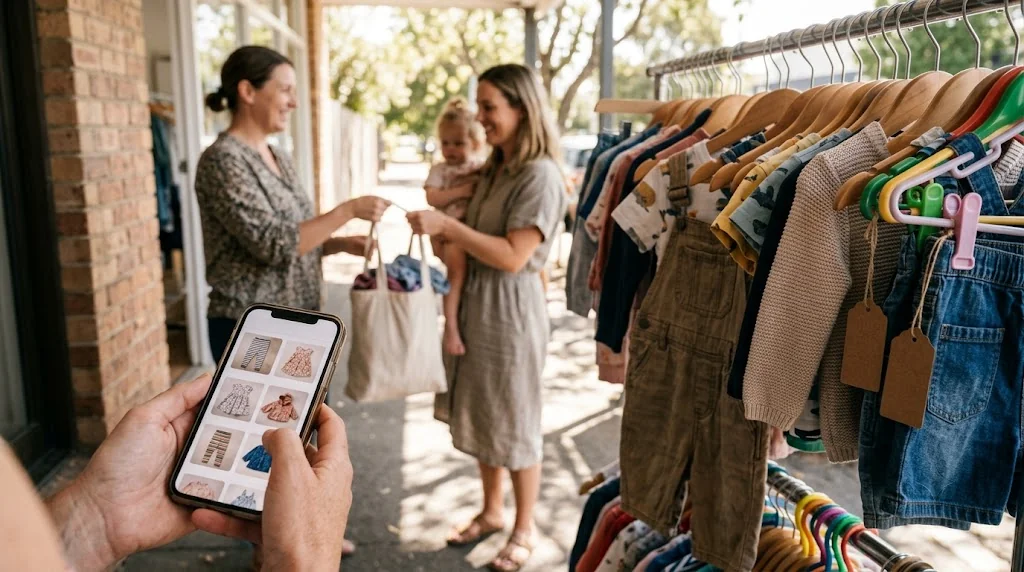
Op shops, classifieds and parent-to-parent apps each do a different job well. Here is how to match the place to the buy.
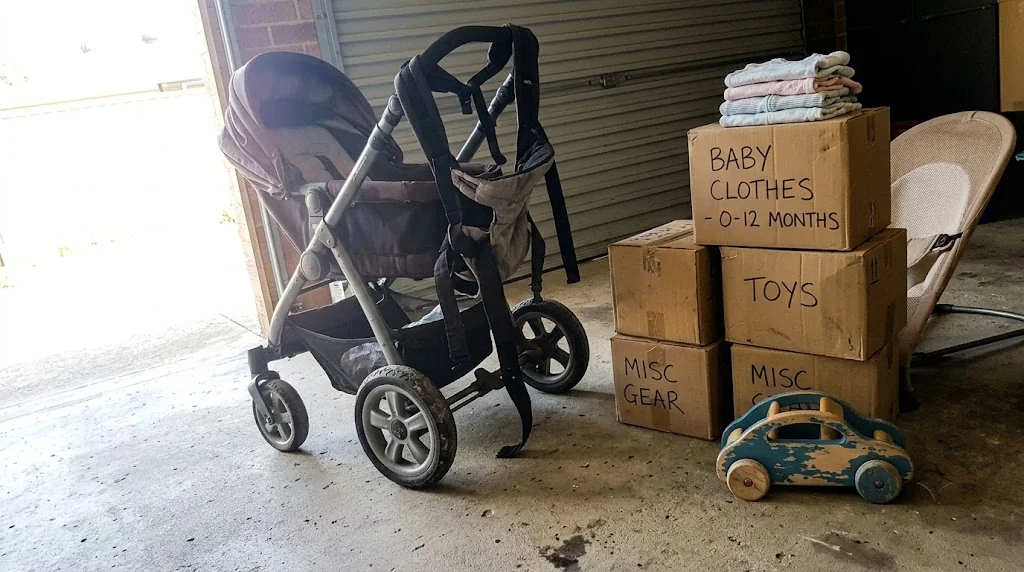
Clearing space? Start with the things that move quickly and hold their value. Here is the running order.
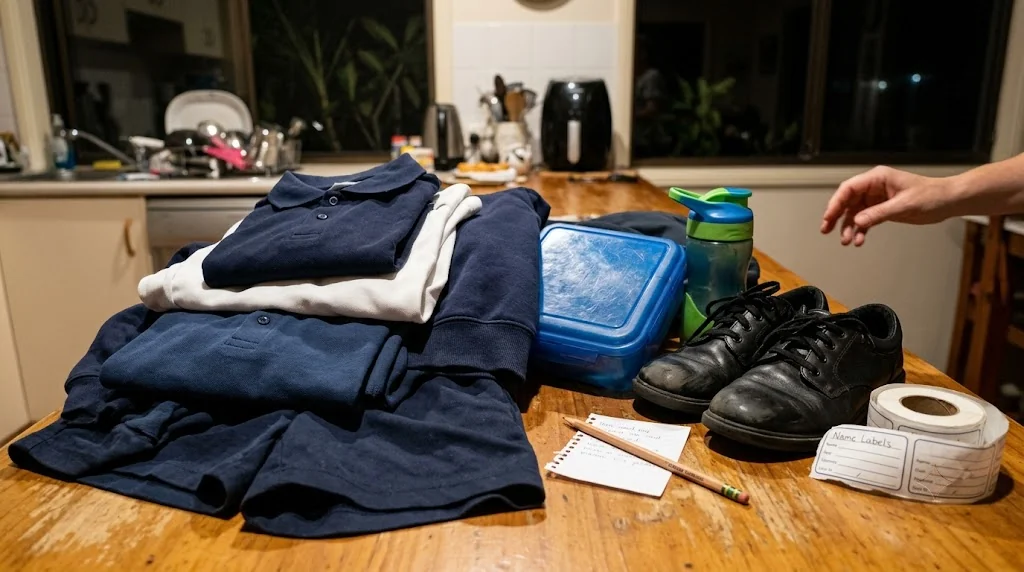
Uniforms are one of the biggest back-to-school costs, and one of the easiest to cut. Here is how.
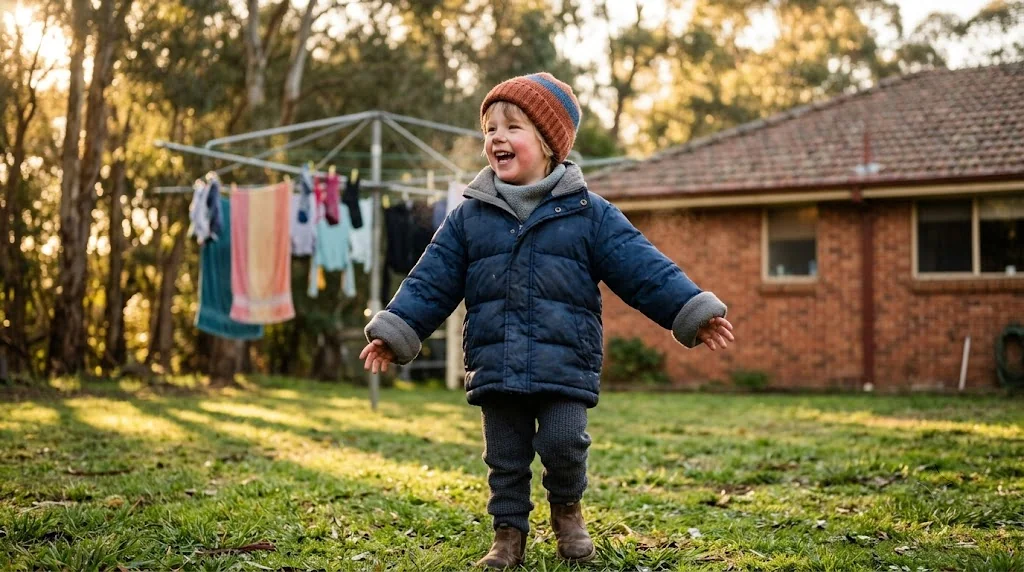
A simple layering plan keeps kids warm through an Australian winter, and almost all of it can be pre-loved.
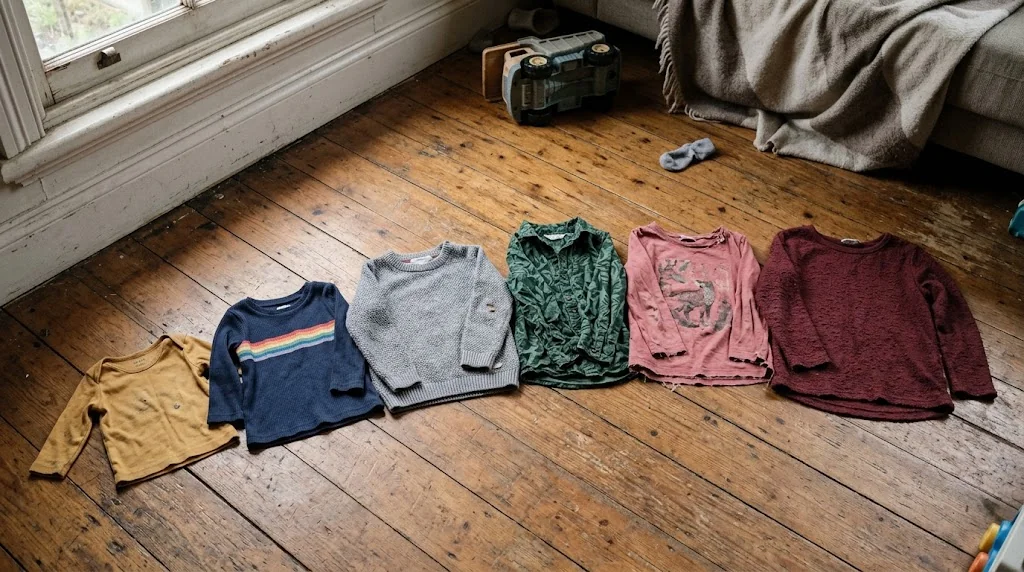
Sizes in Australia can be confusing, and kids never stay in one for long. Here is how to stay a step ahead.
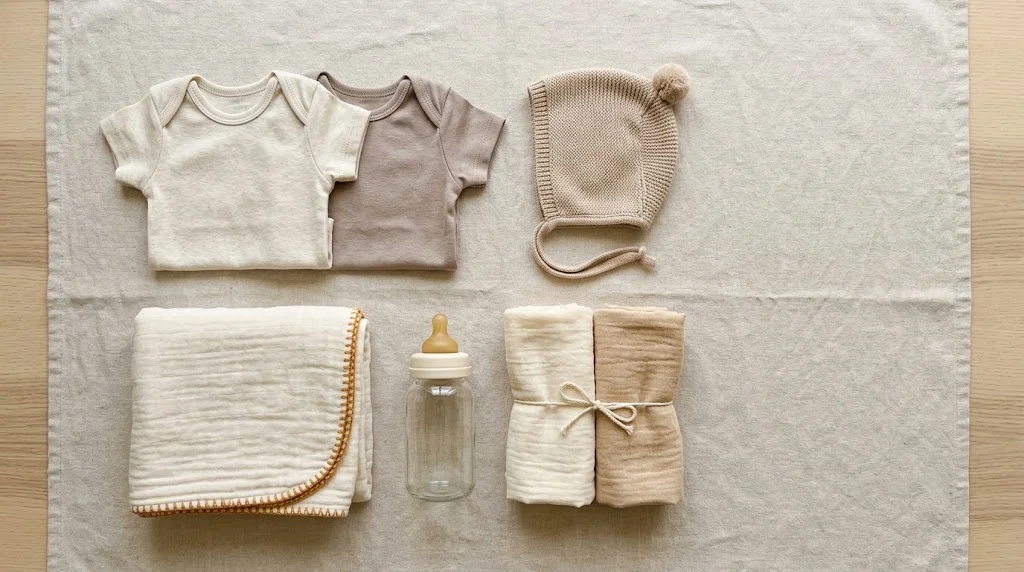
A calm checklist that sorts the genuine essentials from the lovely-but-optional, before the marketing gets to you.
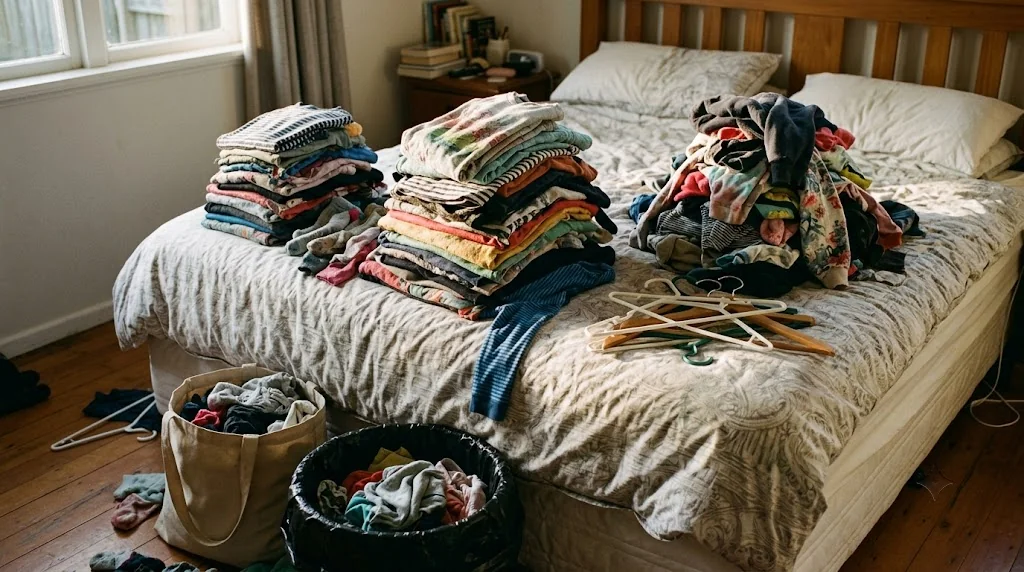
Outgrown clothes pile up fast. Here is a calm system for clearing them, with a simple rule for every piece.
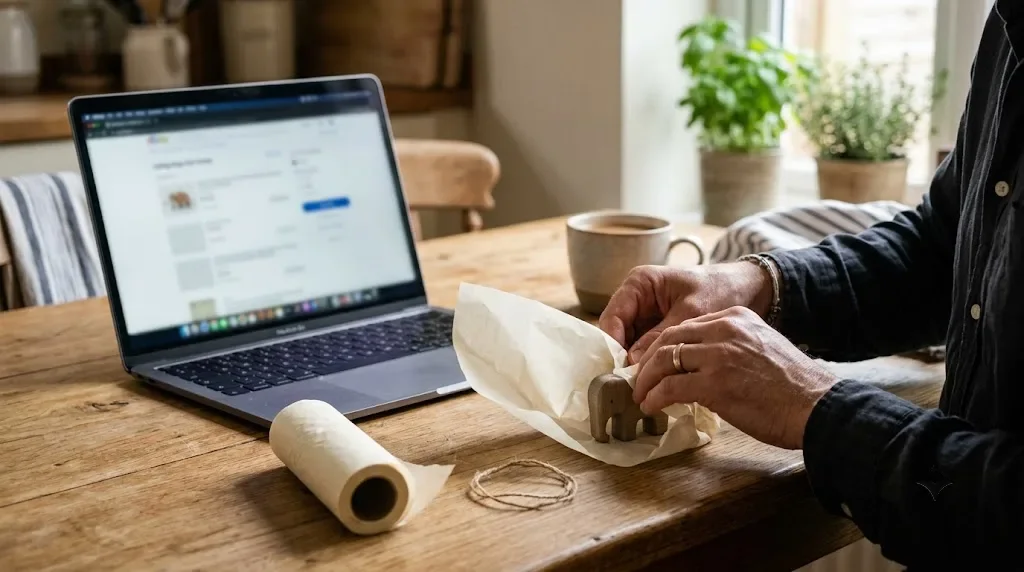
eBay dropped private seller fees in 2026, so the fee argument is over. The differences that are left: protection mechanics and category fit.
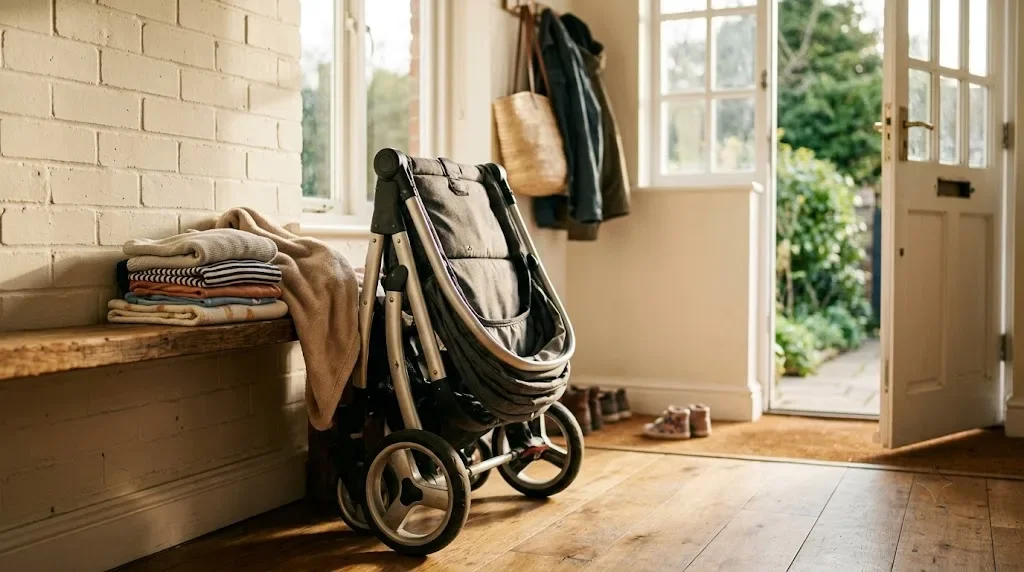
Vinted launched here in July 2026. What it does well, what it will not touch, and where Lhoop fits.
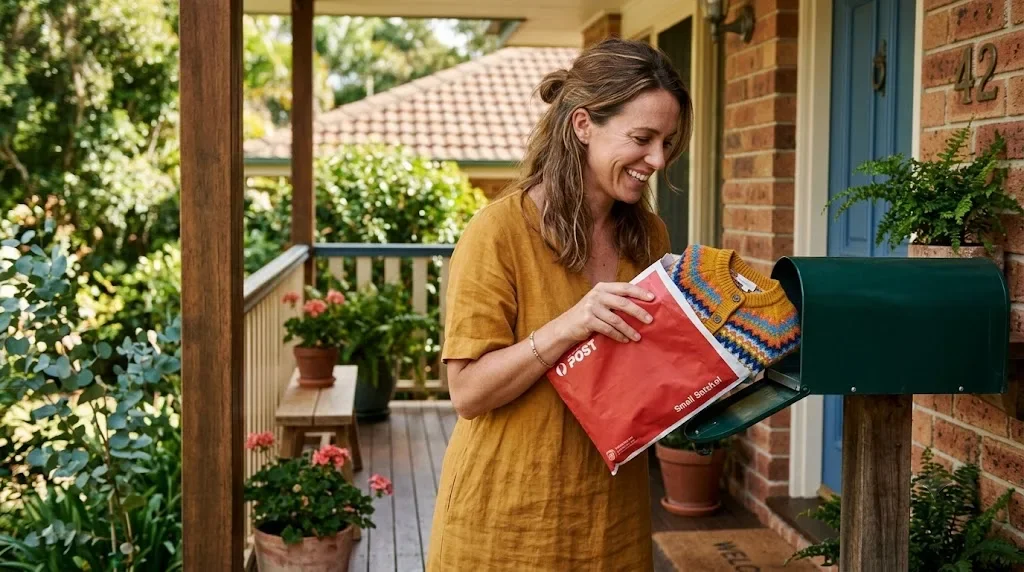
Free and everyone is there, versus protected and built for kids. Where each one actually wins.
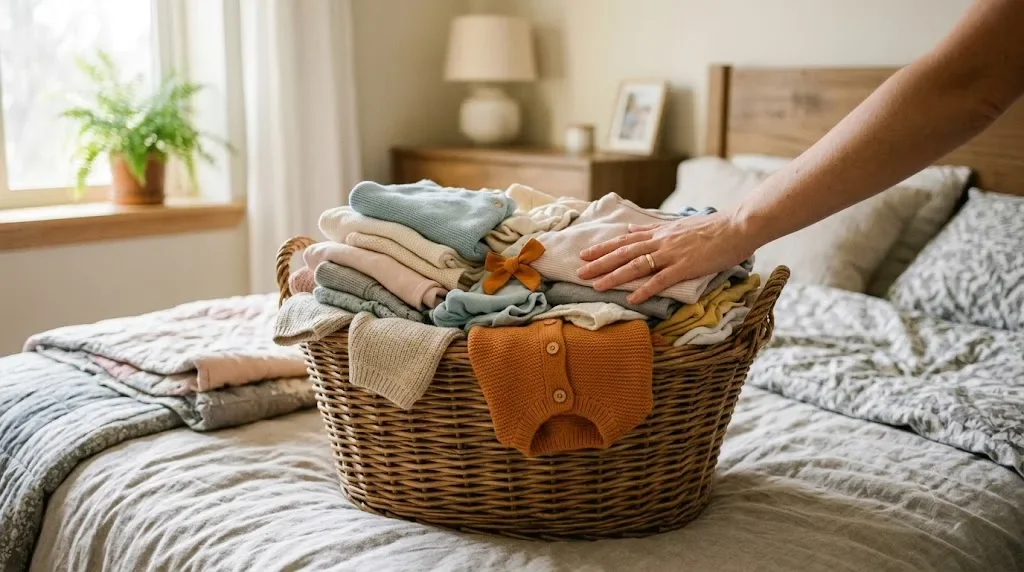
Sell, hand down, donate or recycle. A practical way to decide which pile each piece belongs in, without the guilt.
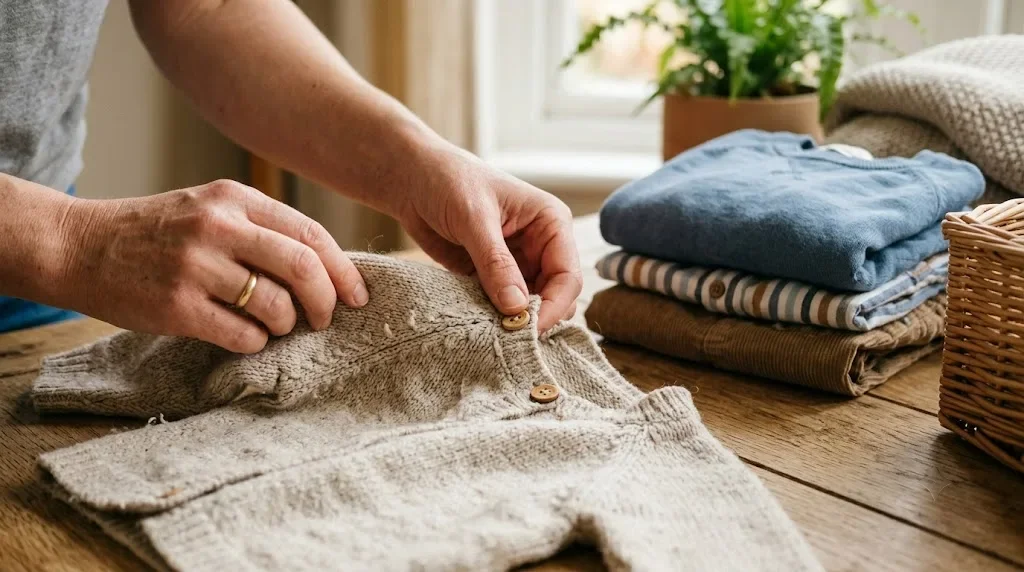
Dressing your kids well for a fraction of retail, without the lucky dip. Reading condition, getting the size right, bundling, and shopping safely.
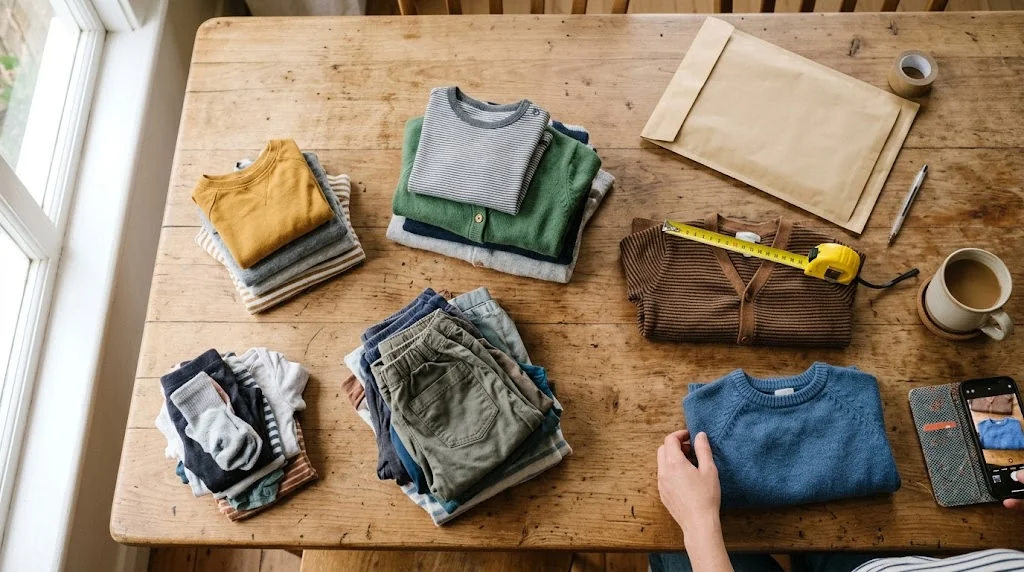
Where to sell, how to price, how to stay safe, and how to get more for the good stuff your kids have outgrown.
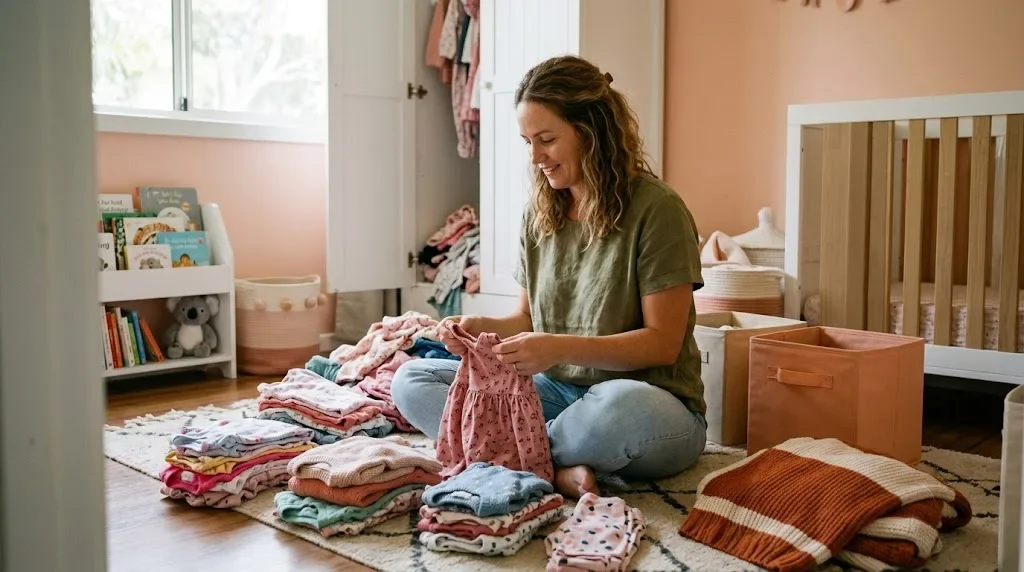
Two boys on the way, a wardrobe full of dresses too good to donate, and a marketplace that never worked for clothes. The story behind Lhoop.
Browse what other mums are passing on, or list your first piece in under a minute.
Explore Lhoop