
How old is too old for a car seat?
Car seats don't last forever, even the ones that look fine. Here's why, and how to read the date.
Why a car seat expires
A car seat is a plastic safety device that lives through years of Australian heat, cold and sunlight. Over time the plastic can become brittle, the foam degrades, and the standards it was built to move on. A seat that looks perfect can be past its best in ways you can't see.
The ten-year rule of thumb
Both the ACCC and Kidsafe NSWadvise against using a child car seat more than ten years old. Some manufacturers set a shorter limit, often six to ten years, so always check the specific seat's guidance. This is a strong best-practice recommendation rather than a law, but it's widely agreed on.
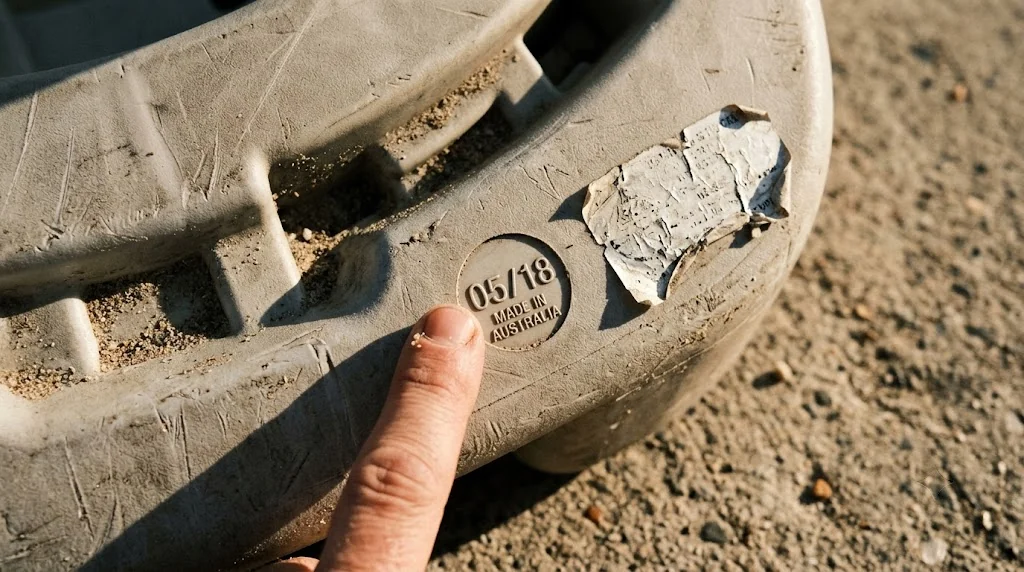
The manufacture date is moulded into the plastic shell or printed on a label, usually on the base or back. If you can't find a date at all, treat that as a reason not to trust the seat.
Two dates, not one
Look for the manufacture date, not the purchase date. A seat bought recently could still have been made years earlier if it sat in storage.
Buying second-hand?
Age is one of five checks for a used car seat, alongside crash history, recalls, the Australian standard, and physical condition. If a seat is close to or past ten years, it's not worth the saving. For the full checklist, see our guide to buying a second-hand car seat.
References
The ten-year guide is a best-practice recommendation; manufacturer limits and the mandatory standard AS/NZS 1754 also apply.
Related reading
Safe savings on the rest
Car seats need care, but most baby gear is a great second-hand buy. See what families near you are passing on.
Shop the marketplace