
Every pre-loved buy keeps this out of landfill
The national numbers are starting to move in the right direction, and second-hand shopping is why.
The trend is turning
For years the story was only ever more: more new clothes, more waste. That's starting to shift. The national Seamless benchmarkrecorded 222,000 tonnes of clothing to landfill in 2023, down about 4 percent from 232,000 tonnes in 2018, and it credits the rise of second-hand shopping.
A 4 percent dip might sound modest. Against a backdrop of decades of relentless growth, a national figure actually falling is a genuine turning point, and it's made of millions of individual second-hand choices.
How your choice adds up
Every time a garment is bought pre-loved instead of new, two things happen. The used garment stays in use rather than heading for the bin, and a new garment doesn't need to be made in its place, with all the water, energy and material that would have taken.
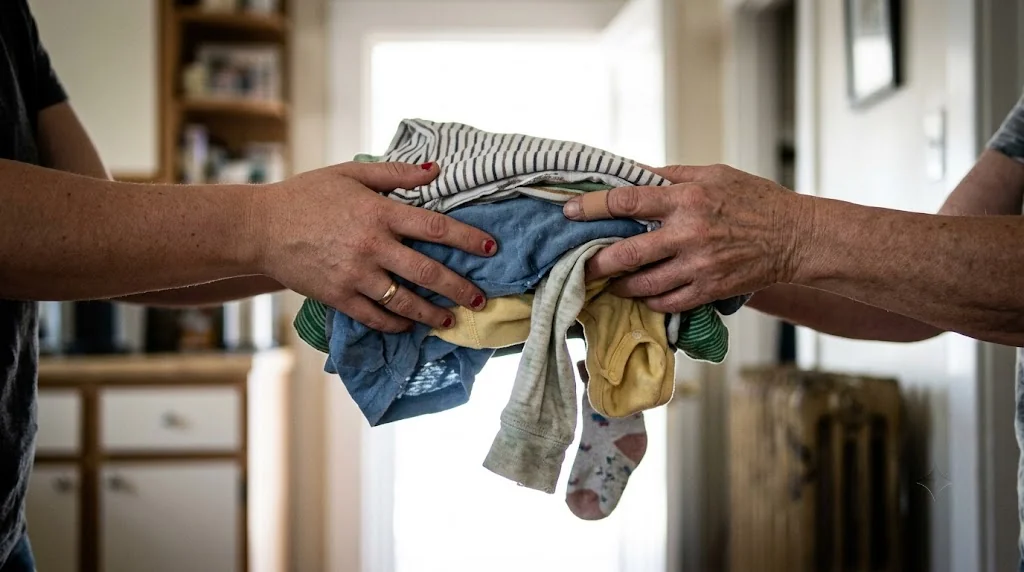
With kids' clothes the effect is amplified, because they're outgrown so quickly. A single pre-loved outfit can pass through several families before it's truly worn out. When your own kids move up a size, sell your baby gear so the next family keeps that loop turning.
The compounding effect
Buy pre-loved, use it, then sell it on, and you've kept the loop turning twice. That's how individual habits become a national number that finally starts to fall.
References
- Seamless Australia, Australia sends 222,000 tonnes of clothing to landfill (landfill figures and the year-on-year fall, covering 2018 to 2023).
- The Australia Institute, Textiles Waste in Australia (2024)
Related reading
Be part of the number that's falling
Buy pre-loved, sell it on, and keep good clothes in good hands.
Shop the marketplace