
12 baby costs nobody warns you about
The quiet expenses that catch new parents off guard, and an honest note on which you can soften and which you can't.
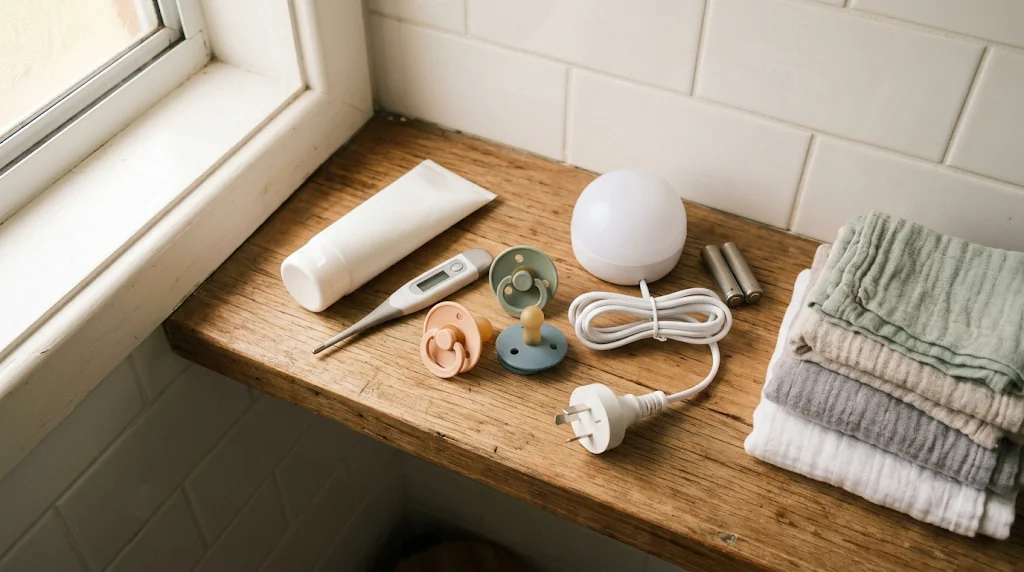
The steady drips
Some costs aren't hidden so much as relentless. Nappies and wipes. Nappy cream, and the second tube you buy when the first vanishes. The extra loads of washing and the detergent to match. Muslins you can never have too many of. None of these are large on their own, and together they're most of the weekly spend.
The Australian Institute of Family Studies budget-standards work put a minimum healthy standard at roughly $140 to $170 per child per week for low-income families (AIFS, 2018). Consumables like these are the bulk of it, and they're the part you plan for rather than avoid.
The ones you forget to budget
- A thermometer, a night light, and a small pharmacy of just-in-case items.
- Batteries for everything that lights up, plays or rocks.
- Extra bedding and mattress protectors, because there will be laundry at 2am.
- Storage: somewhere to put the clothes your baby has already outgrown.
- The next size up, always arriving sooner than you expect.
- Photos, keepsakes, and the small sentimental spends you won't regret.
Which of these you can actually soften
The consumables, you can't. Buy them well, buy in bulk when they're on special, and move on. Where second-hand helps is the durable churn: the clothes, the gear, the toys and the storage furniture. Those you can buy pre-loved and, when you're done, sell on to the next family.
The honest split
Roughly: consumables are a cost you manage, durables are a cost you can recover part of. Knowing which is which is most of what keeps a baby budget calm.
References
Individual item costs vary by brand and baby, so the lists above are for planning, not precise quotes.
Related reading
Recover what you can
Buy the durable stuff pre-loved, and sell it on when your baby moves past it.
Shop the marketplace